
 banxian
 A systematic review of the comorbidity between PTSD and alcohol misuse
About 7% of veterans experience PTSD at some point in their lives, which is higher than the civilian average. More than 1.3 million veterans have a VA disability rating for PTSD, making it one of the most common service-connected conditions. Of all the veterans seeking help with a substance use disorder, 1 in 3 also has PTSD. In one study of more than 88,000 veterans, 12-15% were found to have struggled with alcohol misuse in the first three to six months back from combat. For many, this develops into a serious issue with alcoholism and these numbers increase dramatically for veterans with PTSD. While the journey may be challenging, there is hope for recovery and improved quality of life.
Why Turn to Ava Recovery
Although Drug rehabilitation the VA does not provide an alcoholism VA rating, it does provide disability benefits for conditions linked to alcohol use such as mental health conditions or chronic pain. We explain more about how veterans struggling with alcoholism may be able to get VA disability benefits. Exposure must be either directly experienced, witnessed, learned about in the case of a close family or friend, or indirectly experienced in the course of one’s professional duties.
Theoretical Explanations of Co-Occurring PTSD and AUD
It is important for individuals with PTSD and alcohol abuse to seek comprehensive treatment that addresses both conditions simultaneously. Integrated treatment approaches, such as cognitive-behavioral therapy and trauma-focused therapy, can help individuals develop healthier coping mechanisms and address the underlying issues contributing to their PTSD and alcohol abuse. Substance abuse, particularly alcohol and drugs, can also increase the risk of developing PTSD.
Understanding Schizoaffective Disorder Treatment
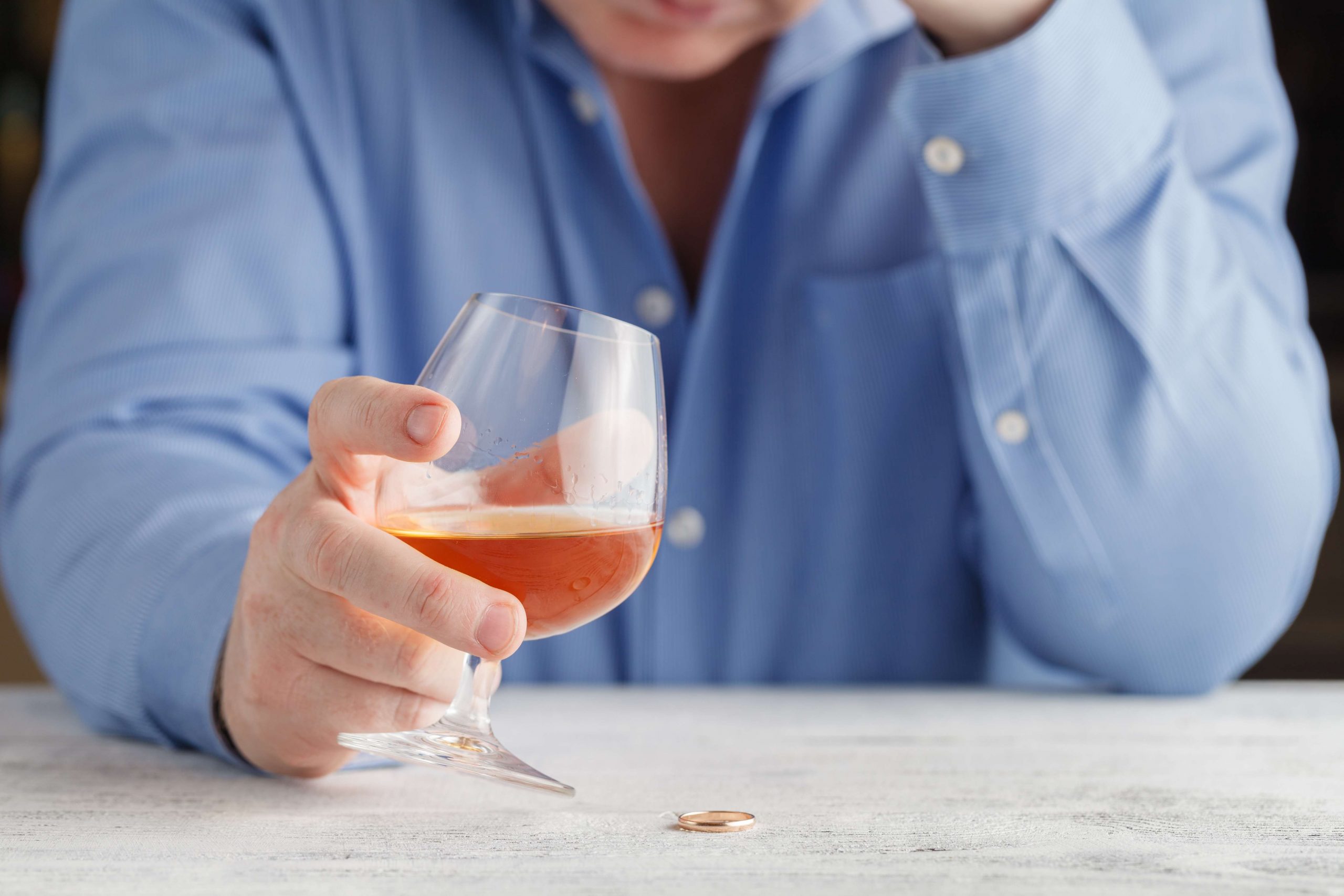
By reducing or eliminating alcohol from the equation, individuals can fully engage in therapy and make lasting progress in their recovery. In the U.S., over 4 out of 10 adults (or 45%) who have PTSD also have problems with drug or alcohol use. In the same study, Veterans who ptsd and alcohol abuse had PTSD at some point in their life were 2 times more likely to have problems with alcohol use and 3 times more likely to have problems with drug use than Veterans who did not have PTSD. In support of improving patient care, CME/CE activities offered have been planned and implemented by the Postgraduate Institute for Medicine and NIAAA.
- Because there is no single level of care or evidence-based treatment that is recommended for all Veterans, using shared decision-making allows for tailoring of treatment and is a good way to best meet each Veteran’s unique circumstances.
- In addition, military-specific barriers to accessing care need to be identified.
- Among those with AUD, about 15 to 30% overall have co-occurring PTSD, with increased rates of 50 to 60% among military personnel and veterans.33 The two conditions may worsen each other.
- Fortunately, effective treatment options exist for individuals struggling with PTSD and alcohol abuse.
Is There a Relationship Between Complex Trauma and Alcohol Use Disorder?
Several brain regions are thought to be particularly relevant for these processes and include the hippocampus, the site of memory formation, the amygdala and the prefrontal cortex. Circuits between these functions have been hypothesized to be important in the maintenance of addictive disorders (Koob and Volkow 2016) and PTSD (Sripada et al. 2012). Alcohol acts as a depressant, affecting the brain’s neurotransmitters and exacerbating feelings of sadness and hopelessness. For individuals with PTSD, who already experience intense emotions and struggle with mood regulation, alcohol can intensify these negative feelings, leading to a heightened risk of self-harm and suicidal ideation. Hyperarousal symptoms refer to the persistent state of heightened arousal and vigilance.
- When PTSD and AUD are present together, the veteran’s overall health and quality of life can deteriorate rapidly.
- Over time, alcohol rewires the brain’s reward system and can make it difficult to feel pleasure or relaxation without drinking.
- PTSD and alcohol abuse combined can further deteriorate an individual’s mental health.
Care while traveling
You also can screen for depression, anxiety, PTSD, and other substance use disorders using a number of brief, psychometrically validated screening tools, which are described in a 2018 systematic review 7 and which may be available in your electronic health record system. As needed, you can refer to a mental health specialist for a complete assessment. Next, GEE models were used to examine drinking motives as moderators of the association between PTSD and both same-day (Model 5, Table 5) and next-day (Model 6, Table 5) alcohol consumption in which all drinking motives were included in the same model. With regard to coping motives, the results indicated that as PTSD symptoms increased, drinking increased at a greater rate among those with higher coping motives than those with lower coping motives (Figure 1). Specifically, for every 1-unit increase in PTSD symptom severity, same-day drinking increased by a rate of 37% for those high in coping motives (i.e., 1 standard deviation above the mean) and only 10% for those low in coping motives (i.e., 1 standard deviation below the mean). For individuals with high enhancement motives (i.e., 1 standard deviation above the mean), drinking was steady, only increasing at a rate of 4% for every 1-unit increase in PTSD symptom severity.
If you or someone you love shows these signs, it’s essential to seek professional help. Early intervention can prevent alcohol use from spiraling out of control, and offer healthier ways to cope with trauma. As alcohol leaves the system, anxiety and mood disturbances often return stronger than before. Alcohol can also impair judgment, making it more likely for individuals to engage in risky behaviors or find themselves in dangerous situations.
Recently, integrative psychosocial interventions have been developed to address both trauma/PTSD and substance use disorders simultaneously (Back 2010). Clinicians previously believed that trauma interventions were inappropriate until after a patient had been abstinent from alcohol or drugs for a sustained period of time (e.g., 3 months). This model, known as the “sequential” model, posits that continued alcohol use impedes therapeutic efforts to address and process the trauma, and that trauma interventions commenced before sustained abstinence would result in increased risk of relapse. Proponents of integrative treatments posit that unprocessed trauma-related memories and PTSD symptoms may, at least in part, drive alcohol use. Thus, attending to and treating the trauma-related symptoms early in the process of therapy may improve the chances of long-term recovery from alcohol (Back et al. 2006; Hien et al. 2010).
快乐的小豆包 » A systematic review of the comorbidity between PTSD and alcohol misuse
